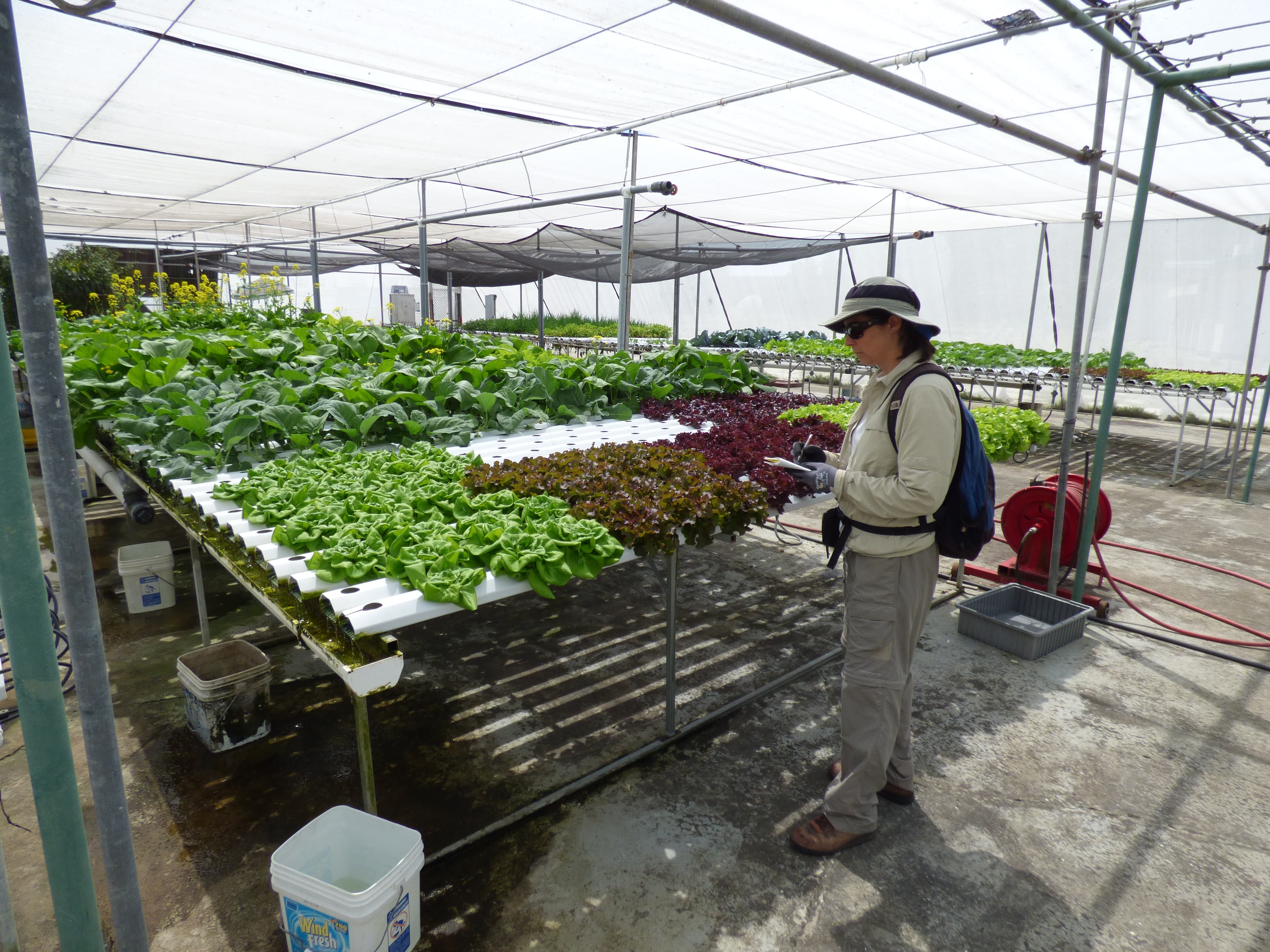
India's climate, crop diversity, and growing urban middle class make it one of the most active urban farming communities in the world. Starting with a terrace herb garden in any Indian city requires under ₹1,000 and produces results within three weeks.
How Do Monsoon and Summer Conditions Affect Urban Farming in India?
India's agricultural calendar is defined by its climate zones, and successful urban farming requires working with these seasonal patterns rather than against them.
Summer (March–June): The Heat Challenge
Northern and central India experience temperatures above 40°C in April and May. This creates specific challenges for urban farmers:
- Cool-season crops fail: Lettuce, spinach, and peas bolt quickly in temperatures above 28–30°C. Reserve these for the October–February window.
- Water demand spikes: Containers in direct sun may need watering twice daily in peak summer. Self-watering containers with reservoirs or sub-irrigation systems become essential.
- Heat-tolerant crops thrive: Moringa (drumstick), amaranth (chaulai), ridge gourd (turai), bitter gourd (karela), cluster beans (gawar), okra (bhindi), and sweet potato all thrive in Indian summer conditions and are highly productive on terraces.
- Shade management: Install a 50% shade net on a simple pipe frame over raised beds. This can reduce surface temperature by 5–10°C and prevent moisture evaporation.
South India (Kerala, Karnataka coastal, Tamil Nadu) has a more moderate summer with temperatures typically 28–36°C — more manageable, though shade nets are still beneficial.
Monsoon (June–September): Abundance and Risk
The monsoon is both a gift and a challenge for urban farmers:
- Rainfall reduces irrigation need dramatically — many crops survive on rainfall alone during the monsoon.
- Waterlogging is the primary risk: Ensure all containers have drainage holes and are elevated on pot feet or bricks. Raised beds need overflow drainage.
- Fungal diseases increase: Humidity above 80% promotes powdery mildew and damping off. Improve airflow (space plants adequately, install a small fan for enclosed setups), avoid watering in the evening, and apply copper-based fungicide (Bordeaux mixture) preventively if powdery mildew has been a problem in previous seasons.
- Ideal monsoon crops: Gourds (all varieties), beans, brinjal (eggplant), colocasia (arbi), lemon grass, and tomatoes sown in June–July for September–October harvest.
- Monsoon seed starting calendar: Sow tomatoes and chillies indoors in June, transplant to larger containers in July once seedlings are established.
Winter (October–February): The Golden Season
For most of India, winter is the best growing season — moderate temperatures, lower humidity, and clear skies create ideal conditions for a wide range of crops:
| Crop | Sow | Harvest |
|---|---|---|
| Tomatoes | September–October | December–February |
| Peas | October–November | January–March |
| Coriander (dhania) | October–February | Continuous from 4 weeks |
| Fenugreek (methi) | October–February | 3–4 weeks |
| Spinach (palak) | October–January | 5–6 weeks |
| Cauliflower | September–October | December–February |
| Carrots | October–November | January–March |
| Radishes | October–February | 3–4 weeks |
| Marigold (pest deterrent) | Year-round | Continuous |
Where Can I Buy Seeds and Supplies in India?
Sourcing quality seeds and growing supplies is one of the most common practical challenges for new urban farmers in India. The market has improved significantly with e-commerce, but quality varies.
Seeds:
| Source | Pros | Cons |
|---|---|---|
| Amazon India (TrustBasket, NatureZ Edge, Ugaoo) | Wide variety, delivered nationally, customer reviews | Some imported seeds poorly adapted to Indian conditions |
| Ugaoo.com | India-focused; includes terrace garden guides | Slightly higher prices |
| UrbanMali.com | Good urban farming focus | Limited to Maharashtra |
| Local nursery | Fresh, locally adapted seeds; free advice | Variety selection limited |
| Kissan Bazar / agri-input shops | Cheapest option for bulk quantities | Primarily for field crops; limited urban varieties |
| IARI (Indian Agricultural Research Institute) seed store, New Delhi | Certified, research-grade varieties | In-person or postal order only |
Nutrient solutions and growing media:
- Cocopeat (coir pith): Available at any nursery across India for ₹30–₹80 per 650g brick. Expands to approximately 8–10 litres when hydrated. Widely used as the base growing medium.
- Vermicompost: Available from most nurseries and agricultural supply shops, or make your own from kitchen waste. Cost: ₹20–₹60 per kg.
- Hydroponic nutrients: Multiplex Nutrimix, Aries Hydro, and the two-part Grow More 7-11-27 / Calcium Nitrate combination are available on Amazon India and agricultural supply platforms. Expect to pay ₹300–₹600 for a starter nutrient kit sufficient for 6–12 months of hobby growing.
- Perlite and vermiculite: Amazon India or Flipkart sellers (search "perlite for plants India") offer 1–5 kg bags for ₹150–₹400.
Are There Government Subsidies for Urban Farming in India?
Yes — several central and state government schemes provide financial support for urban horticulture:
Rashtriya Horticulture Mission (NHM): The National Horticulture Mission provides capital subsidies of 25–50% for qualifying horticulture infrastructure. Urban and peri-urban farmers can apply for subsidies on:
- Protected cultivation (polyhouses, net houses): 50% subsidy up to ₹560/m²
- Drip irrigation systems: 45–55% subsidy depending on farm size
- Vermicompost units: 50% subsidy up to ₹60,000 per unit
Applications are processed through state horticulture departments. Contact your nearest State Horticulture Department office or Krishi Vigyan Kendra (KVK) for current scheme availability and application forms.
State-Level Schemes:
| State / City | Scheme | Benefit |
|---|---|---|
| Karnataka (BBMP) | Green Terrace Garden | Free composting training, subsidised inputs |
| Tamil Nadu | Kitchen Garden Programme | Free vegetable seed kits for urban households |
| Maharashtra | Mazi Vasundhara | Subsidised rooftop garden setup assistance |
| Delhi | Urban Agriculture Policy (2017) | Encourages rooftop farming; some subsidy through horticulture dept |
| Kerala | Subhiksha Keralam | Free seeds, saplings, and composting units |
PM Fasal Bima Yojana: Primarily designed for field farmers but available to some kitchen garden participants in certain states — check with your local agriculture office.
FSSAI Registration for Selling: If you plan to sell produce, FSSAI basic registration costs only ₹100/year and can be completed online at foscos.fssai.gov.in. This is required for any food business with turnover above ₹12 lakh/year.
What Are Examples of Successful Urban Farming Communities in India?
The Indian urban farming movement has developed strong community networks in several cities:
Mumbai:
- Yugantar: An NGO running terrace farming workshops and demonstration gardens across Mumbai. They have helped establish over 200 terrace gardens in the city and conduct regular training sessions on composting, kitchen gardens, and vermicomposting.
- Green Thumbs Mumbai: A social media community (Facebook and WhatsApp) of 15,000+ Mumbai-based home gardeners who share seeds, advice, and produce.
- MCGM's Urban Farming Initiative: The municipal corporation has created demonstration gardens in several parks and runs seasonal plant distribution programmes.
Bengaluru:
- Bangalore Urban Farming Foundation (BUFF): One of India's most active urban farming advocacy organisations. They run the Organic Balcony and Terrace Garden project, hold monthly gardening workshops, and have partnered with BBMP to promote rooftop composting.
- Institute of Natural Organics (INOQ): Training organisation providing certified courses in composting, vermicomposting, and urban farming. Popular with apartment residents in Whitefield and HSR Layout.
- The Ugly Farm: A prominent Bengaluru-based urban farming initiative that documents growing food in small apartment spaces — started as a blog and grew into workshops and a seed-sharing community.
Delhi/NCR:
- Edible Routes: A social enterprise that designs and installs edible gardens in homes, offices, and schools across Delhi. They also run the "Grow Your Own" starter kit programme.
- Delhi Urban Farm: Community of terrace and balcony gardeners in the NCR region with active social media presence and seed exchange programmes.
Hyderabad:
- GHMC's Green Hyderabad programme has partnered with multiple societies to establish terrace gardens, particularly in Hi-Tech City and Banjara Hills neighbourhoods.
- Annual "Grow Your Own Vegetables" campaigns run by the horticulture department distribute free vegetable seedlings to registered participants.