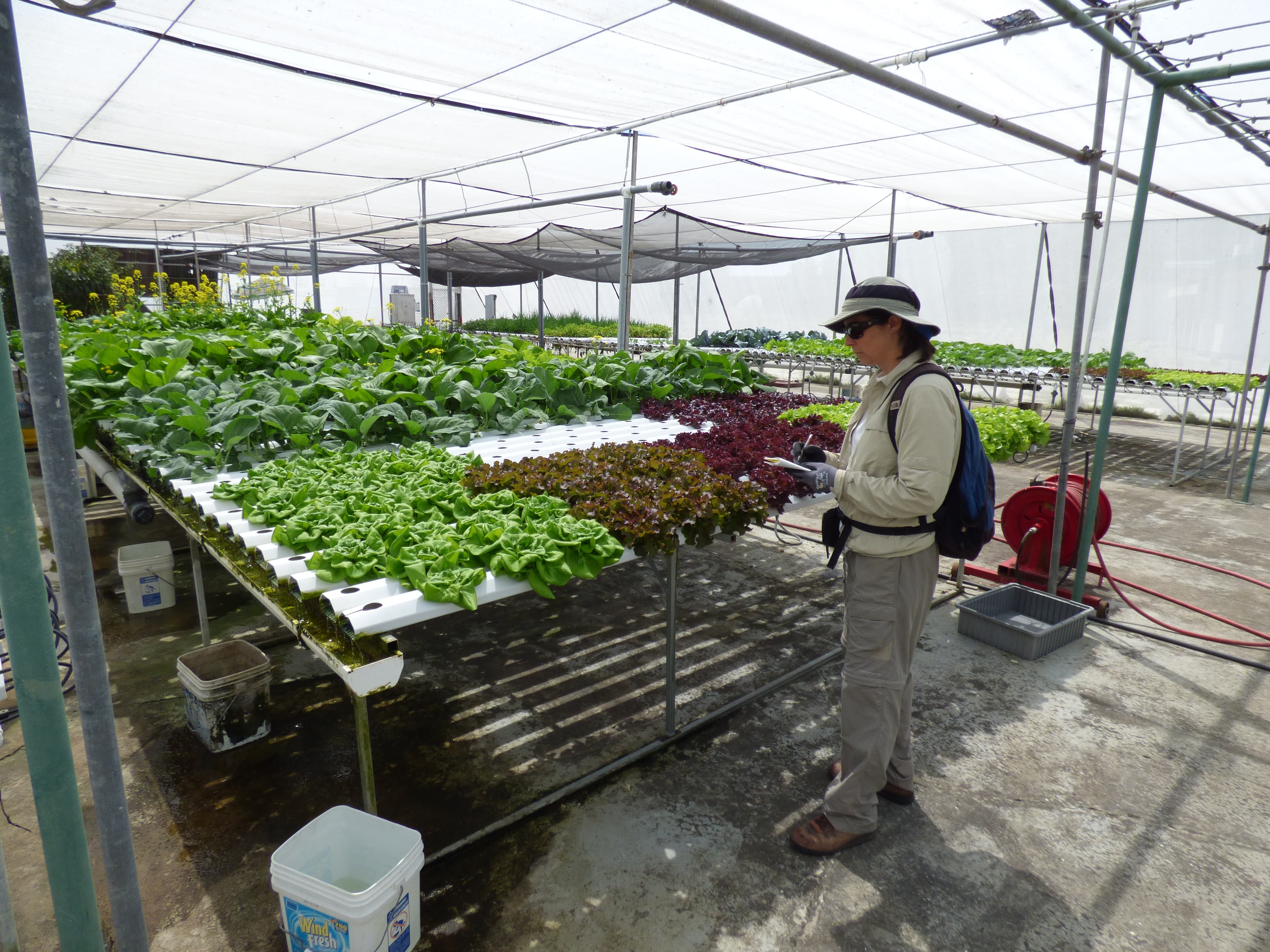
Urban farming is legal in most cities for personal use, but selling produce, keeping livestock, and commercial operations are subject to zoning laws, water use permits, and local health regulations that vary significantly by city and country.
What is the General Regulatory Framework for Urban Farming?
Urban farming regulations typically fall into four categories, regardless of country:
- Zoning and land use: Whether growing food on residential property, rooftops, or vacant lots is permitted under current zoning codes.
- Water rights: Whether you can collect rainwater, use grey water for irrigation, or draw from communal supplies for growing.
- Sale of produce: Whether you can sell what you grow, from what venues (farmers markets, direct to consumers, restaurants), and whether a food handler's permit is required.
- Livestock and composting: Whether chickens, bees, or composting facilities are permitted in residential zones — these typically face stricter rules than plant growing.
For the overwhelming majority of urban farmers — those growing food on their own balcony, terrace, or in their apartment for personal consumption — no permits or registrations are required in any jurisdiction covered in this article. The regulatory complexity begins primarily when you want to sell produce, expand significantly, or use communal spaces.
What Are the Urban Farming Rules in Key US Cities?
The United States has some of the most developed urban agriculture policy frameworks, but rules vary enormously between municipalities.
| City | Personal Growing | Selling Produce | Key Notes |
|---|---|---|---|
| New York City | Fully legal, no permit | Allowed at farmers markets with permit | NYC Green Thumb manages community gardens on city land |
| Los Angeles | Legal; raised beds on setback areas may need check | Cottage food laws allow $75K annual sales from home | LA Urban Agriculture Incentive Zone offers tax rebates to landowners |
| Chicago | Legal | Chicago Farmers Market ordinance covers vendors | City runs Growing Home and several urban farm support programmes |
| Seattle | Legal, including front yards | Selling allowed; food safety certificate required above threshold | One of the most progressive urban agriculture ordinances in the US |
| Detroit | Fully legal; Urban Agriculture ordinance 2013 | Permitted with food safety compliance | City actively supports urban farming as economic development |
| Portland, OR | Legal; backyard chickens and bees permitted | Cottage Food Law covers direct sales up to ~$20K | Urban Farm Program streamlines permits |
Key federal and state considerations:
- The USDA Urban Agriculture and Innovative Production (UAIP) grants programme funds urban farming initiatives at community and individual scales.
- Many states have "Cottage Food Laws" that allow selling food produced at home directly to consumers below a certain annual revenue threshold (typically $25,000–$75,000) without a commercial kitchen licence.
What Are the Rules in the United Kingdom?
UK urban farming operates under a mix of planning law, food safety regulations, and council policies.
Personal growing:
- Growing food on your own property (garden, balcony, roof) requires no permission and is actively encouraged by the government through initiatives like the National Allotment Society and the RHS Campaign for School Gardening.
- Allotments are plots of public land rented to individuals for growing food — a long-standing British tradition. Waiting lists in cities are typically 2–5 years, but many councils continue to open new sites. Rent is minimal (often £20–£50/year for a standard plot).
Selling produce:
- Selling food to the public in the UK requires compliance with the Food Safety Act 1990 and Food Hygiene Regulations 2006. This includes food safety training and, for anything beyond direct farm stalls, registration with the local Environmental Health department.
- Market stalls selling produce from your own garden typically require a market stall licence from the local council and public liability insurance. Costs and requirements vary significantly between boroughs.
Planning law:
- Commercial urban farms in residential or commercial buildings need planning permission under the Town and Country Planning Act 1990.
- The National Planning Policy Framework (NPPF 2023) explicitly encourages urban agriculture and food growing as part of sustainable development.
What is the Legal Situation for Urban Farming in India?
India does not have a unified national framework for urban agriculture. Regulation is primarily at the municipal and state level, creating a patchwork of rules that are often unenforced or unclear for personal growing.
BBMP (Bruhat Bengaluru Mahanagara Palike — Bengaluru):
- Rooftop and terrace gardens are encouraged under the BBMP Green Terrace Garden initiative. No permit is required for personal terrace gardens.
- BBMP has partnered with the Bangalore Urban Farming Foundation to provide composting and growing resources to registered participants.
- Selling produce from residential properties is not explicitly regulated at the residential level but requires FSSAI (Food Safety and Standards Authority of India) registration for any food business.
GHMC (Greater Hyderabad Municipal Corporation):
- GHMC's Green Hyderabad programme encourages rooftop gardens and has offered subsidised compost to participating households.
- No permit required for personal growing. The corporation's horticulture wing occasionally runs free saplings distribution events.
MCGM (Mumbai — Brihanmumbai Municipal Corporation):
- No specific urban farming ordinance, but BMC has not restricted private terrace gardens.
- The Bombay Natural History Society and several NGOs (Yugantar, Urban Leaves) run community terrace farming workshops in the city.
National Schemes:
- Rashtriya Horticulture Mission (NHM): A central government scheme providing subsidies for horticulture development. Subsidies of 25–50% on greenhouse, drip irrigation, and polyhouse installation are available to eligible beneficiaries. Apply through your state horticulture department.
- PM KUSUM scheme: Provides subsidised solar pumps for irrigation — potentially applicable to large terrace farms with irrigation needs.
- FSSAI Registration: Any urban farmer who sells food products must register with FSSAI. Basic registration (for businesses with turnover under ₹12 lakh/year) costs ₹100/year and can be done online at foscos.fssai.gov.in.
How Do I Check Regulations in My Specific City?
Regardless of where you live, here is a practical process for finding authoritative information:
- Search your city/council website for terms like "urban agriculture", "rooftop garden", "home food growing", or "community garden". Most progressive cities have a dedicated page.
- Contact your local planning department directly (email or phone). Ask specifically whether growing food at home or on your roof for personal use requires any permit. In most places, the answer will be no.
- Check with your housing society or landlord before installing any permanent structure (raised beds, irrigation systems, shade structures) — structural modifications almost always require prior approval regardless of municipal rules.
- For selling produce: Contact your local food safety authority (Environmental Health in the UK, FSSAI in India, local Department of Agriculture in the US) to understand the minimum licensing threshold in your state or region.
- Connect with local urban farming groups: Facebook groups, WhatsApp communities, and local NGOs focused on urban farming in your city are often the fastest and most practical source of current, city-specific regulatory information.