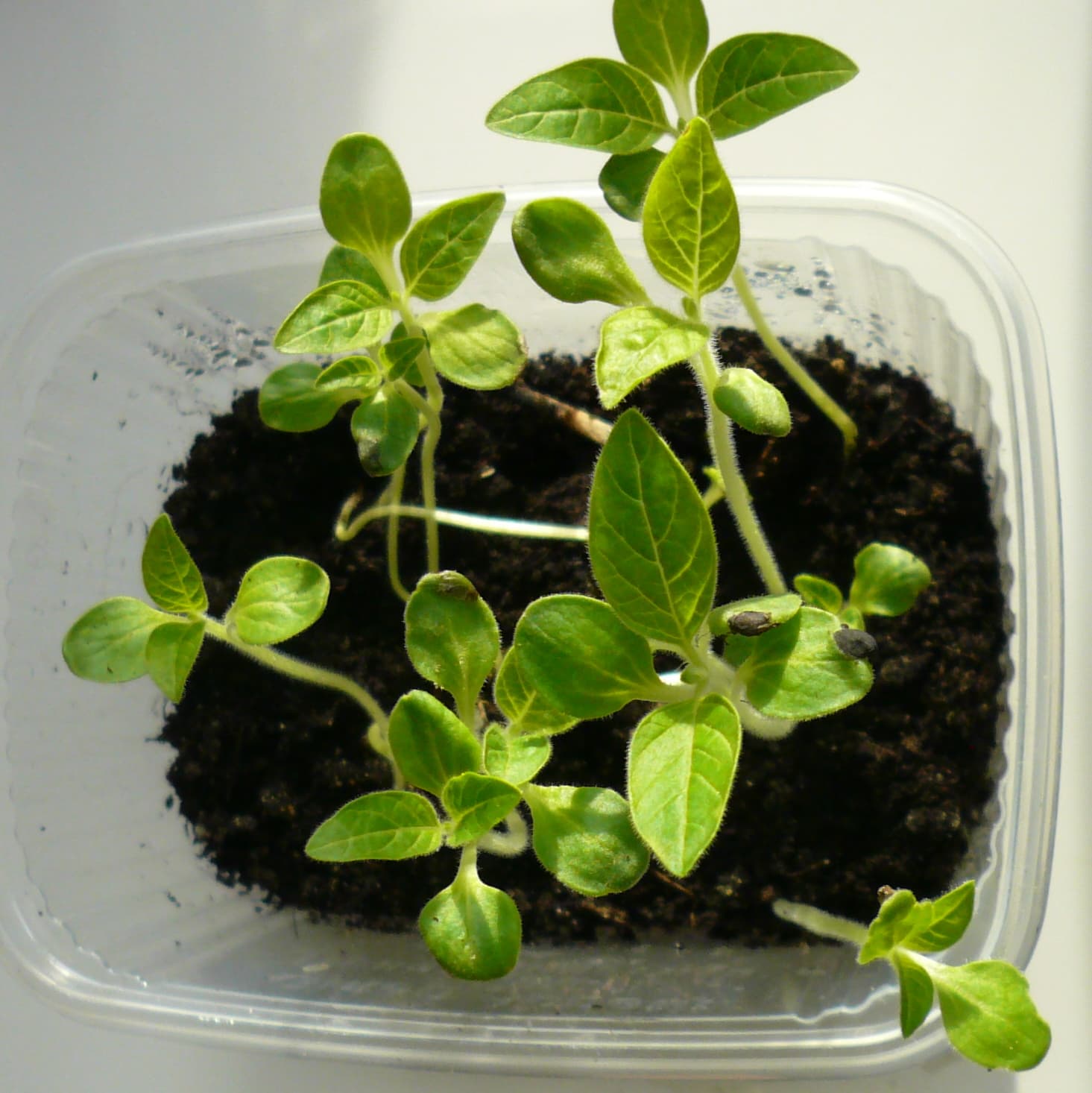
Hydroponic chillies require patience: C. chinense varieties like habanero and ghost pepper take 21–35 days to germinate and 120–150 days to first ripe fruit. The reward is total heat control, year-round production, and capsaicin levels that actually increase with controlled stress — something impossible to replicate in field conditions.
Understanding the two main chilli species for hydroponics
The genus Capsicum contains five domesticated species, but two dominate indoor growing. Choosing between them determines your entire approach.
| Characteristic | C. annuum | C. chinense |
|---|---|---|
| Common varieties | Jalapeño, cayenne, serrano, poblano | Habanero, Scotch bonnet, ghost pepper (Bhut jolokia), Carolina Reaper |
| Germination temperature | 25–30°C | 30–35°C |
| Germination time | 10–21 days | 21–35 days (sometimes 42 days) |
| Days to first ripe fruit | 70–90 | 120–150 |
| Scoville range | 2,500–50,000 SHU | 100,000–2,000,000+ SHU |
| Vegetative phase length | Medium (6–8 weeks) | Long (8–12 weeks) |
| Cold sensitivity | Moderate | High — below 18°C causes fruit drop |
C. annuum varieties are the practical choice for most growers: faster germination, shorter production cycle, and lower temperature requirements. C. chinense varieties demand more from the grower but deliver exceptional heat levels and complex fruity flavor profiles unavailable in annual species.
How do you sow chillies for a hydroponic system?
Chilli sowing is where most failures originate — insufficient temperature is the primary cause of poor or failed germination.
Sowing steps:
- Optional scarification for C. chinense: Lightly rub seeds between two sheets of fine sandpaper (400 grit) for 10–15 seconds. This abrades the seed coat and can reduce germination time by 5–7 days. Alternatively, soak in a weak chamomile tea solution (antifungal) for 12 hours before sowing.
- Sow into pre-moistened rockwool cubes (pH 5.8–6.2) at 1cm depth, one seed per cube.
- Temperature is everything: Place cubes on a heat mat set to 28–30°C for C. annuum and 32–35°C for C. chinense. Ambient room temperature is almost never sufficient. A propagation dome traps the heat.
- Germination monitoring: Check daily but resist the urge to disturb cubes. C. annuum seeds that have not emerged by day 21 may still be viable — wait until day 28. C. chinense seeds should be given 42 days before declaring failure.
- Post-germination: Once cotyledons appear, reduce heat mat to 25–28°C and introduce light immediately (250–350 PPFD, 18-hour photoperiod).
How do you nurture chilli seedlings and vegetative plants?
Chillies have a long vegetative phase — 6 to 12 weeks depending on species — during which the plant builds the structure needed to support a heavy fruit load.
Seedling phase (weeks 1–4):
- EC: 0.8–1.2 mS/cm
- pH: 5.8–6.3
- Temperature: 24–28°C; do not allow below 20°C even at night
- Light: 300–400 PPFD, 18-hour photoperiod
Vegetative growth phase (weeks 4–10+):
- EC: 1.6–2.2 mS/cm; raise gradually rather than in sharp jumps
- Temperature: 24–28°C day, 18–22°C night. Consistent warmth is critical — temperature drops trigger flower drop in C. chinense especially
- Phosphorus demand increases as the plant matures toward flowering; use a formula with elevated phosphorus (P:K ratio approaching 1:2)
- Potassium: High potassium promotes fruit development and capsaicin synthesis — do not undercut potassium during fruiting phase
Calcium for cell wall integrity: Thick-walled varieties (jalapeño, poblano) require higher calcium to develop firm walls resistant to cracking. Calcium deficiency in chillies presents as blossom end rot on fruit (black, sunken tip). Target 150–200 ppm Ca in solution.
How do you manage fruit load and flowering?
First flush management: When chillies produce their first flowers (typically 8–12 weeks from transplant for C. annuum), remove the first 5–10 flowers before they set. This is counterintuitive but productive: it redirects the plant's energy from producing a small number of undersized early fruits into building stem diameter, root mass, and branching that supports a larger subsequent harvest.
Ongoing lateral management: Chillies naturally branch prolifically. Allow the main Y-fork (first bifurcation at the growing tip) to develop fully. Beyond that, thin weak inward-facing shoots to maintain airflow. Unlike cucumbers, chillies benefit from some lateral growth — the fruiting occurs on secondary and tertiary branches.
Flower drop causes: The most common frustration in hydroponic chilli growing. Causes in order of frequency:
- Temperature below 18°C causing stress
- Low humidity (below 40% RH)
- EC spike above 3.0 mS/cm
- Root zone oxygen deficiency (check air pump output in DWC)
- Insufficient potassium during flowering
When and how do you harvest chillies, and how does ripening affect heat?
Capsaicin — the alkaloid responsible for heat — continues accumulating as fruit ripens. Green jalapeños are milder than red; green habaneros are less hot than orange or red. Heat develops in two phases:
| Ripening Stage | Color (Jalapeño) | Color (Habanero) | Relative Capsaicin Level |
|---|---|---|---|
| Immature | Dark green | Green | 60–70% of peak |
| Mature green | Bright green | Pale green/yellow | 80–85% of peak |
| Color break | Green-red | Orange-green | 90% of peak |
| Full ripe | Red | Orange/Red | 100% peak |
| Over-ripe | Soft red | Shrivelled | May decline as cell walls degrade |
Stress-induced heat increase: Controlled water or nutrient stress during the final 2–3 weeks of fruit development measurably increases capsaicin content. Reducing EC from 2.2 to 1.6 mS/cm during this window triggers a mild stress response that upregulates capsaicin biosynthesis. This is the basis of the claim that "stress makes peppers hotter" — it is accurate, but stress must be moderate and time-limited to avoid harming the plant and reducing yield.
Harvest technique: Use clean scissors or secateurs — do not pull fruits by hand. Leave a short section of stem attached. Handle high-SHU varieties (habanero, ghost) with gloves; capsaicin does not wash off easily with water alone (use soap).
What is the nutritional and bioactive profile of chillies?
| Nutrient / Compound | Per 100g Red Ripe Chilli | Notes |
|---|---|---|
| Vitamin C | 144 mg | 160% DV — peaks at full red ripeness |
| Vitamin A (β-carotene) | 530 µg RAE | Higher in red and orange varieties |
| Capsaicin | Variable (0.1–2%+ dry weight) | Higher in C. chinense; thermogenic, anti-inflammatory |
| Vitamin B6 | 0.5 mg | 38% DV |
| Potassium | 322 mg | 7% DV |
| Iron | 1.0 mg | 6% DV |
Capsaicin's physiological effects: Capsaicin activates TRPV1 receptors (pain and heat receptors), triggering endorphin release and temporarily elevating metabolic rate by 4–5%. It has documented topical analgesic properties (the basis of capsaicin-based pain relief creams). As an anti-inflammatory, it suppresses substance P (a neuropeptide involved in pain signaling) with repeated exposure. These effects are dose-dependent and most pronounced in high-SHU varieties.