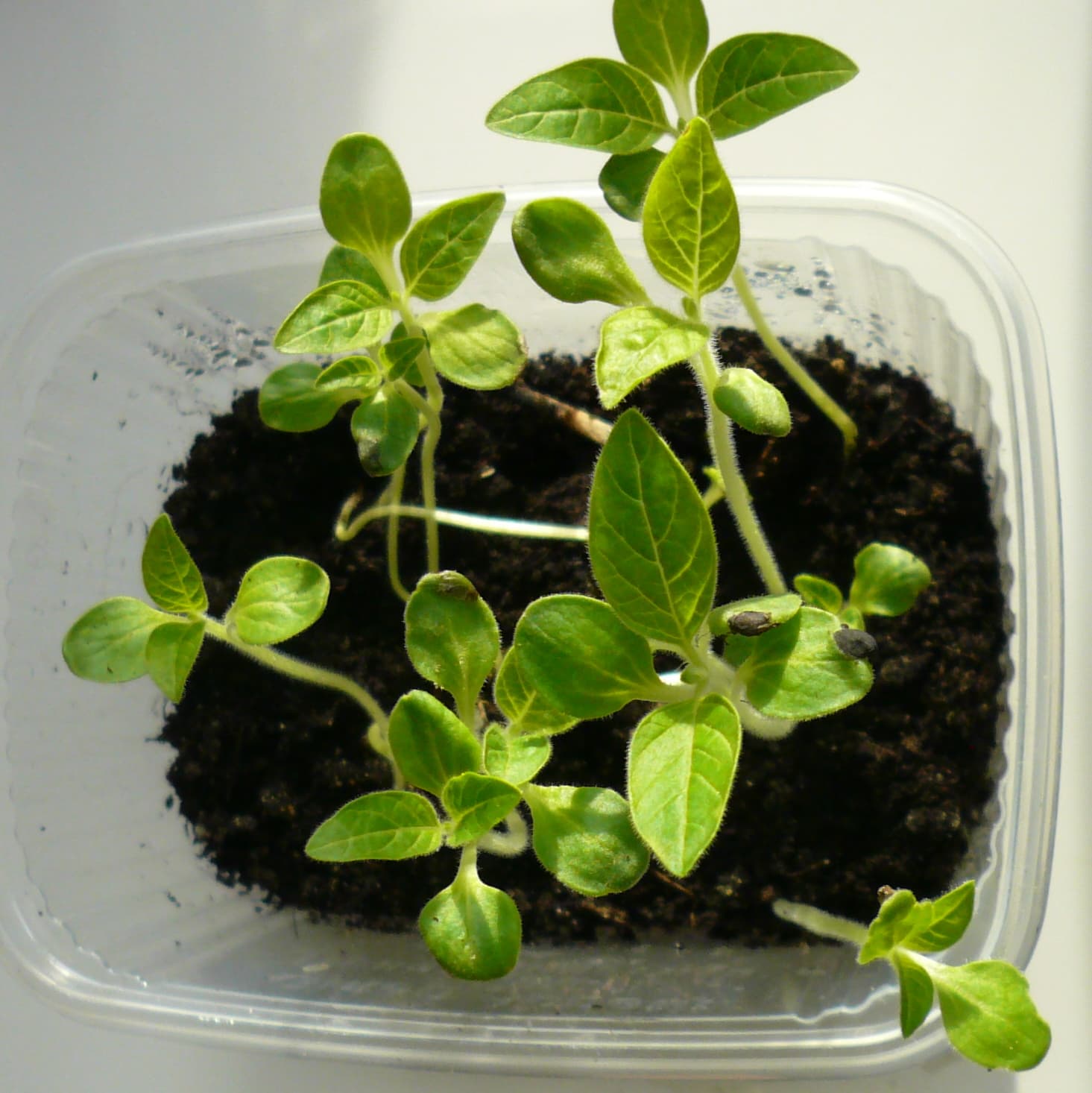
Hydroponic peppers are slow to start — requiring 28–32°C germination and 14–21 days for emergence — but yield continuously for 6–12 months once established. Target EC 2.0–3.0, 16+ hours of light, and precise calcium management for a productive indoor crop ready at 80–100 days from transplant.
Why are peppers a rewarding long-season soilless crop?
Peppers (Capsicum annuum and Capsicum chinense) are among the most financially and nutritionally rewarding crops in soilless production — but they demand more from the grower than any beginner crop. They are slow to germinate, slow to establish, and unforgiving of nutrient imbalances. The payoff is a plant that, once productive, can yield continuously for months or years in a controlled environment.
Commercial greenhouse pepper production, particularly in the Netherlands and Spain, is almost entirely conducted in rockwool or coco coir substrate systems with precisely managed fertigation. A single pepper plant in a Dutch bucket system can yield 12–20 kg of fruit per season under professional management.
Sweet versus hot peppers: Both sweet (bell peppers, pimento, banana) and hot (jalapeño, cayenne, habanero, Carolina Reaper) peppers follow identical cultivation protocols. The key differences are:
- Hot pepper varieties generally have smaller fruit, shorter internodes, and slightly higher heat tolerance.
- Capsaicin (the heat compound) is produced only by Capsicum species, not by sweet varieties.
- Mild water and nutrient stress during fruit development increases capsaicin concentration in hot peppers — a technique used intentionally in production.
For a first soilless pepper crop, a compact sweet pepper variety (e.g., Mini Bell, Snackabelle) or jalapeño is recommended. They are faster to first fruit than bell peppers and more tolerant of indoor lighting levels.
How do you sow pepper seeds for a soilless system?
Pepper germination is the most temperature-sensitive of any common soilless crop. Insufficient heat is the primary cause of poor germination.
Seed preparation:
- Soak seeds in room-temperature water for 12–24 hours before sowing. Some growers use chamomile tea as a mild antifungal soak.
- Pre-soaking rockwool cubes in pH 5.5 water is essential — do not sow into dry or neutral pH media.
Sowing steps:
- Place rockwool starter cubes in a heated propagation tray.
- Push 1–2 seeds per cube to a depth of 5 mm. Unlike lettuce and basil, pepper seeds do not need light to germinate — darkness is fine.
- Apply bottom heat to maintain 28–32°C at the cube surface. This is non-negotiable. Below 24°C, germination rate falls below 60% and emergence is erratic. A seedling heat mat with a thermostat controller is the correct tool.
- Cover with a humidity dome. Do not mist excessively — the enclosed humidity dome provides adequate moisture.
- Germination occurs in 7–14 days at optimal temperature. At 22°C, expect 14–21 days. At 20°C or below, expect failure or extreme delay.
- Remove the humidity dome within 24 hours of emergence and introduce light at 200–300 PPFD immediately.
Thin to one seedling per cube at day 14–16.
How do you nurture pepper seedlings through the pre-transplant phase?
Peppers spend longer in the seedling phase than most soilless crops — typically 5–7 weeks from germination to transplant readiness. Patience during this phase is rewarded with a structurally strong plant.
Nutrient schedule:
- Weeks 1–2 (post-germination): EC 0.8–1.2. Use a nitrogen-forward seedling formula.
- Weeks 2–4: EC 1.2–1.8. Introduce phosphorus emphasis for root development.
- Weeks 4–6 (pre-transplant): EC 1.8–2.2. Shift toward a balanced vegetative formula including calcium at 150 ppm minimum.
pH: 5.8–6.3 throughout. Peppers are moderately sensitive to pH drift — check daily during rapid growth phases.
Light during seedling phase:
- 300–500 PPFD, 16–18 hours per day. Peppers require more light during the seedling phase than lettuce or herbs.
- DLI target: 15–20 mol/m²/day for seedlings, rising to 25–35 mol/m²/day during fruiting.
- Insufficient light during seedling development produces thin, weak stems and poor branching architecture.
Transplant criteria: Transplant when the plant has 4–6 true leaves, a stem diameter of 5–6 mm, and visible roots emerging from the cube base. Premature transplant of weak pepper seedlings is among the most common causes of stalled growth.
How do you care for pepper plants during vegetative growth and fruiting?
EC management by stage:
| Stage | EC (mS/cm) | Light Hours | Key Nutrient Focus |
|---|---|---|---|
| Vegetative (post-transplant) | 2.0–2.5 | 16–18h | Nitrogen, phosphorus, calcium |
| Pre-flowering | 2.5–3.0 | 16–18h | Phosphorus, potassium |
| Fruiting (continuous) | 2.5–3.0 | 14–16h | Potassium, calcium, magnesium |
Support staking: Peppers become tall and top-heavy when fruiting. Install vertical support strings or bamboo stakes at transplant. Standard practice is a two-leader system: allow two main stems to develop (the fork that forms after the first flower bud), and remove all other lateral shoots below this fork.
First-flower pinching: This is a technique borrowed from professional greenhouse production. When the very first flower bud appears (typically at the first fork in the plant), remove it. This forces the plant to continue vegetative development — building more branches and leaf mass — before committing to fruit production. The result is a larger, more structurally capable plant that supports heavier fruiting loads later. Do not pinch subsequent flowers.
Calcium monitoring: Pepper fruit is highly susceptible to blossom-end rot (calcium deficiency at the fruit base) during rapid fruit expansion. Unlike tomatoes, peppers can develop blossom-end rot even when EC calcium levels appear adequate — the issue is usually uptake impairment due to inconsistent irrigation, high EC spikes, or root damage. Maintain consistent fertigation intervals and supplement with Cal-Mag during fruiting.
Photoperiod for flowering: Peppers are day-neutral — they flower regardless of daylength. However, they require a minimum DLI for flower bud initiation. In indoor growing, provide at least 14–16 hours of light at 400–600 PPFD to maintain productive flowering and fruiting. Reducing to 12 hours significantly slows fruit development.
When and how do you harvest soilless peppers?
Green versus colour-ripe: Most pepper varieties can be harvested at the green (immature) stage or allowed to fully ripen to red, yellow, orange, or purple depending on variety. This is a significant choice:
| Harvest Stage | Days from Transplant | Flavour | Nutrient Content | Plant Yield Impact |
|---|---|---|---|---|
| Green (immature) | 70–80 days | Crisp, grassy, mild | Moderate vitamin C | Faster cycling, more total fruit |
| Full colour (ripe) | 90–110 days | Sweet, complex, variety-specific | 2–3× higher vitamin C | Slower cycling, fewer but sweeter fruit |
For red bell peppers at full colour, expect approximately 90–100 days from transplant. For jalapeños harvested green, 70–80 days. Colour-ripe jalapeños are darker red and significantly higher in capsaicin and vitamin C.
Harvest with secateurs or sharp scissors, cutting 1–2 cm of stem above the calyx. Never pull fruit off the plant — the brittle pepper stems break easily and wound the plant, creating entry points for disease.
What is the nutritional value of soilless peppers?
Peppers are nutritionally extraordinary — particularly red peppers at full maturity.
| Nutrient | Per 100g Red Bell Pepper | % Daily Value | Notes |
|---|---|---|---|
| Vitamin C | 128 mg | 142% | Higher per gram than oranges; peaks at full colour |
| Vitamin B6 | 0.29 mg | 17% | Supports metabolism and nervous system function |
| Vitamin A | 157 µg RAE | 17% | As β-carotene and capsanthin; absent in green peppers |
| Folate (B9) | 46 µg | 12% | Higher in red vs green peppers |
| Potassium | 211 mg | 4% | Cardiovascular support |
| Capsaicin (hot varieties) | Variable | — | Anti-inflammatory; metabolic benefits in research |
The vitamin C increase from green to red is dramatic: green peppers contain approximately 80 mg/100g; red peppers at full maturity reach 128–190 mg/100g depending on variety and growing conditions. Soilless peppers grown with optimised potassium and allowed to fully colour on the plant under high light achieve measurably higher vitamin C than commercially field-grown equivalents harvested early for transport.