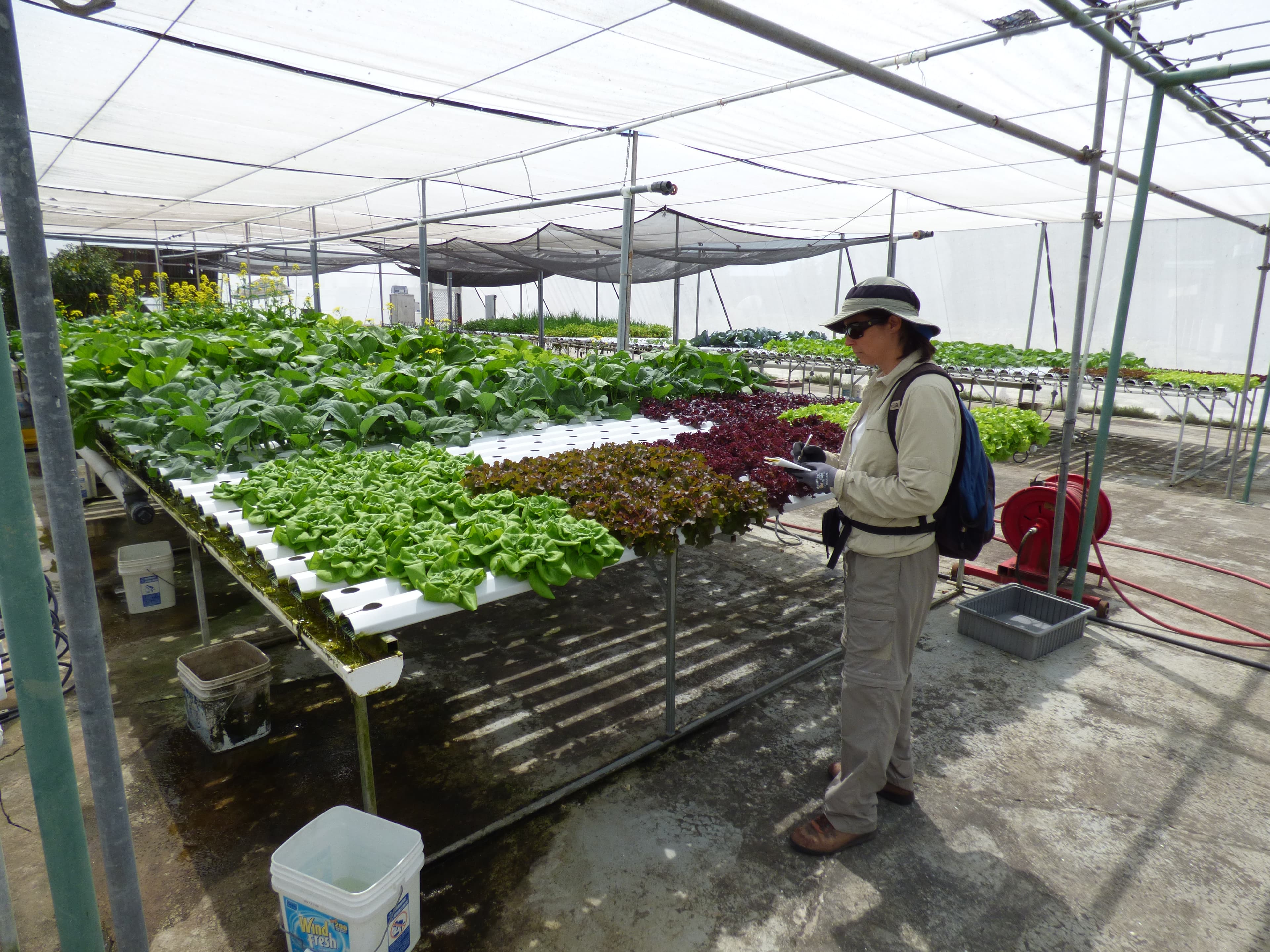
Microgreens are harvested at the first true leaf stage, typically 7–14 days after germination. Radish, sunflower, pea shoots, and broccoli are the most reliable varieties for beginners. A single 10×20 inch tray yields 60–120 grams of finished product.
Which Microgreen Varieties Should Beginners Grow First?
Not all microgreens are equal. Some are forgiving and fast; others are prone to mould, require soaking, or need specific conditions to germinate evenly. Start with high-success varieties before experimenting.
| Variety | Days to Harvest | Seed Rate (10×20" tray) | Yield per Tray | Difficulty |
|---|---|---|---|---|
| Radish (daikon, china rose) | 6–9 | 40–50 g | 80–120 g | Easy |
| Sunflower | 10–14 | 150–200 g | 150–250 g | Easy |
| Pea shoots | 10–14 | 200–250 g | 200–300 g | Easy |
| Broccoli | 8–12 | 15–20 g | 60–90 g | Easy |
| Amaranth | 10–14 | 8–12 g | 60–100 g | Medium |
| Wheatgrass | 8–12 | 250 g | 200–300 g | Easy |
| Cilantro | 14–21 | 30–40 g | 50–80 g | Medium |
| Basil | 12–18 | 8–12 g | 40–70 g | Medium |
| Buckwheat | 10–14 | 100–120 g | 120–180 g | Easy |
| Beet / chard | 12–18 | 40–50 g | 70–110 g | Easy |
Sunflower and pea shoots require soaking seeds for 8–12 hours before sowing to break dormancy and ensure uniform germination. All other common varieties in the table above can be sown dry.
What Growing Medium Works Best for Microgreens?
Growing medium choice affects moisture retention, mould risk, and root development. Three options dominate:
1. Coco Coir The most popular medium for microgreens. Coco is derived from coconut husks, is naturally antifungal, holds moisture well without waterlogging, and is lightweight. Pre-moistened coco coir at approximately 60% field capacity is the benchmark standard for commercial microgreen production.
2. Seedling/Germination Mix (Peat-Based) Standard potting mix works but tends to be heavier and can stay too wet. Use a fine-textured seed-starting mix rather than coarse potting soil. Sterilised mixes reduce mould risk.
3. Hydroponic Pads (Hemp, Jute, or BioStrate) Reusable or single-use fibre pads. Eliminates soil mess entirely. Popular for commercial operations selling living trays (cut at point of sale). Pads require consistent bottom watering — top watering can cause damping off.
Medium depth: 2.5–3 cm of growing medium is sufficient for all microgreens. Deeper medium wastes material and adds weight without benefit.
What Are the Light and Water Requirements for Microgreens?
Lighting:
Microgreens have relatively low light requirements compared to fruiting crops, but light quality still matters.
- PPFD range: 150–300 µmol/m²/s at canopy level
- Photoperiod: 16–18 hours on / 6–8 hours off
- T5 HO fluorescents or full-spectrum LED panels at 30–60 cm distance work well
- Etiolation (pale, leggy growth) means insufficient light — move light closer or increase intensity
Blackout period: many growers use 2–4 days of darkness after sowing (covered with an inverted tray) to encourage hypocotyl elongation before exposing to light. This produces taller, more substantial stems. Some varieties (sunflower, pea) benefit from this; others (radish, broccoli) do not need it.
Watering:
- Before germination: Mist the seeded tray lightly. Avoid pooling water that causes mould.
- After germination: Bottom water by placing the seeded tray inside a second tray with 0.5–1 cm of water and allowing the medium to wick up moisture. This keeps the surface drier and reduces damping off.
- Frequency: Water every 1–2 days, checking medium moisture before adding water. The medium should feel like a wrung-out sponge — moist, not wet.
How Do You Harvest Microgreens and Extend Their Shelf Life?
Harvest timing: Harvest microgreens at the cotyledon stage (first seed leaves fully open) before the first true leaf emerges. This is the peak of nutrient density and flavour intensity. For most varieties, this is when stems are 5–8 cm tall.
Radish microgreens show a slight "pinking" of the stem base when ready. Sunflower and pea shoots are ready when the first pair of leaves unfurls completely.
Harvesting technique: Use sharp, clean scissors or a harvest knife. Cut stems 1–2 cm above the growing medium. Avoid pulling — this dislodges medium and contaminates the product. Harvest into a clean dry container and move immediately to refrigeration.
Post-harvest handling:
- Do not wash before storage — excess moisture dramatically shortens shelf life
- Store dry at 2–4°C in vented plastic clamshell containers
- Shelf life: 5–10 days refrigerated (radish/broccoli); 3–5 days (basil, pea shoots)
- Wash only at point of use
Is Selling Microgreens a Viable Side Business?
Microgreens retail for $3–6 per 60g clamshell at farmers markets and $8–15 per 100g at specialty grocers and restaurants. The economics are attractive relative to most crops.
Cost per 10×20 tray (approximate):
- Seeds: $0.50–2.00 (varies by variety)
- Growing medium: $0.30–0.80
- Packaging: $0.20–0.50
- Electricity (light + heat): $0.15–0.30
- Total cost of goods: $1.15–3.60 per tray
Revenue per tray:
- Restaurant sales (bulk): $8–15 per tray
- Farmers market: $12–20 per tray
Check local cottage food laws and food safety requirements before selling. Most jurisdictions require a food handler permit at minimum; some require a licensed commercial kitchen for any produce sold to the public.
Frequently Asked Questions
Why are my microgreens growing mould?
Can I regrow microgreens from the same tray after harvesting?
Do microgreens need nutrients added to the water?
Some links in this article are affiliate links. If you purchase through them, we may earn a small commission — at no extra cost to you.


