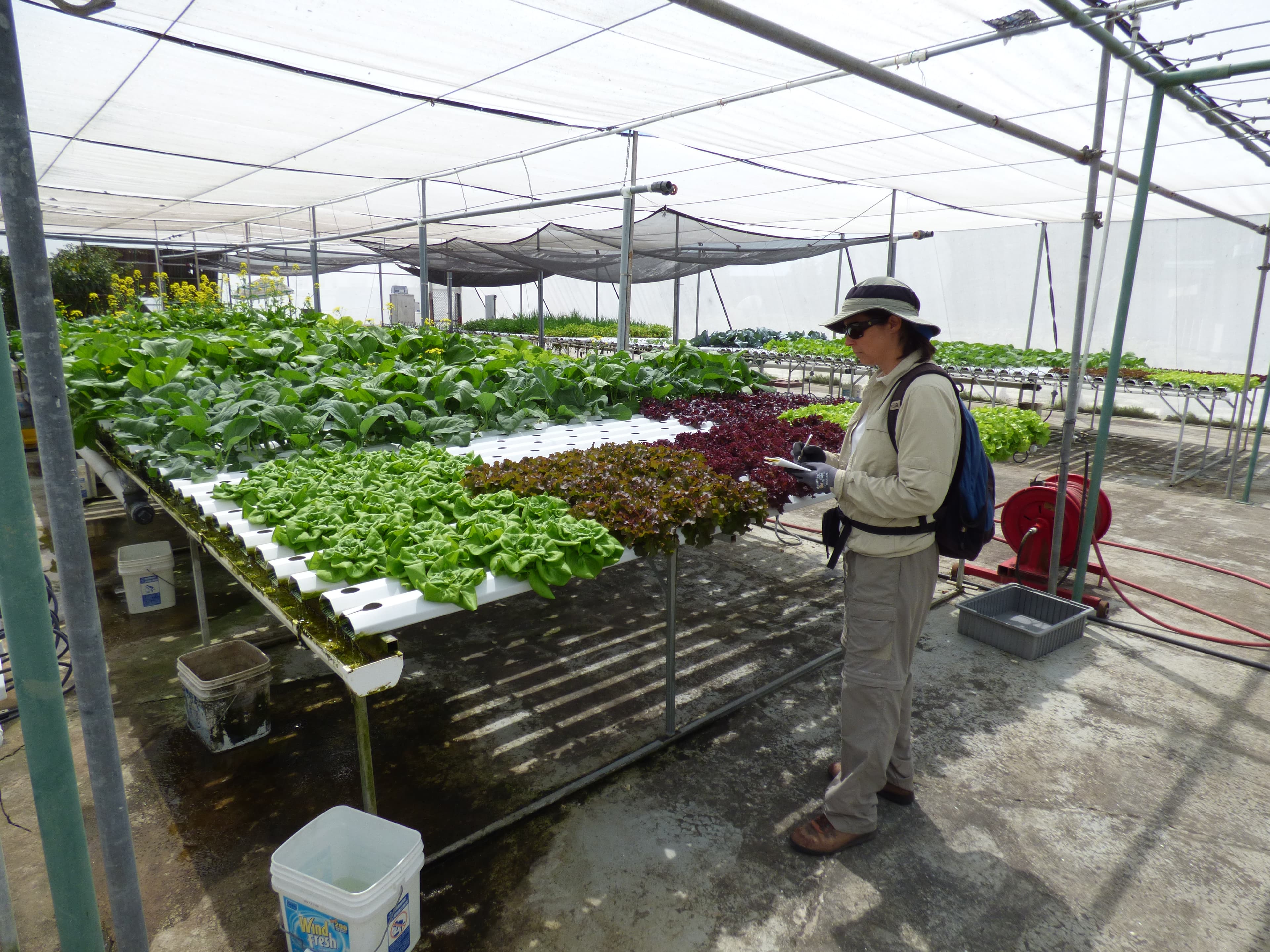
Indoor farming removes the seasonal constraint of outdoor growing, but light availability, electricity costs, and natural temperature patterns still create seasonal rhythms worth planning around. A structured monthly calendar with succession planting ensures continuous harvests throughout the year.
Why Does Season Still Matter for Indoor Growing?
A fully controlled indoor environment theoretically makes the calendar irrelevant. In practice, several factors create meaningful seasonal variation even for indoor growers:
Natural light supplementation: East or south-facing windows contribute significant light in summer, reducing electricity costs. In winter, the same window provides limited supplemental light and may create cold drafts near plants.
Ambient temperature: Growing in an uninsulated basement or garage means heating costs rise in winter, and cooling costs increase in summer. Crops that need cooler temperatures (lettuce, spinach) are naturally easier to grow in winter rooms; warm-season crops do better in summer-warmed spaces.
Electricity pricing: Many regions have time-of-use electricity pricing with peak rates in summer afternoons. Scheduling your light-on period during off-peak hours reduces costs.
Pest pressure: Outdoor pests find their way inside during summer. Spider mites and fungus gnats are far more prevalent in warm months. Adjust your integrated pest management schedule accordingly.
Human patterns: Households consume more fresh greens in winter salad seasons and summer entertaining periods. Align your production calendar with your household's actual consumption rhythms.
What Should You Grow Each Month?
Use this calendar as a framework and adjust for your specific crops, space, and local climate.
| Month | Start / Sow | In Active Growth | Ready to Harvest |
|---|---|---|---|
| January | Microgreens (all), leafy greens, herbs | Lettuce, spinach, kale | Microgreens from Dec sowing |
| February | Microgreens, tomato seedlings (for March transplant), peppers | Lettuce, herbs, spinach | Lettuce, microgreens |
| March | Microgreens, cucumber seedlings, basil | Tomato seedlings, lettuce, herbs | Lettuce, spinach, herbs |
| April | Microgreens, succession lettuce, new herb pots | Cucumbers, tomatoes, basil | Herbs, microgreens, lettuce |
| May | Microgreens, chillies, eggplant seedlings | Cucumbers, tomatoes, basil | Basil, lettuce, first cucumbers |
| June | Microgreens, succession greens | Chillies, eggplant, cucumbers | Cucumbers, tomatoes, basil |
| July | Microgreens, cool-season restart (lettuce) | Summer crops (tomatoes, peppers) | Tomatoes, cucumbers, peppers |
| August | Microgreens, autumn greens (kale, chard) | Late summer crops | Tomatoes, peppers, microgreens |
| September | Microgreens, spinach, Asian greens | Kale, chard, lettuce | Kale, chard, late tomatoes |
| October | Microgreens, winter herbs, garlic greens | Spinach, lettuce, Asian greens | Lettuce, Asian greens |
| November | Microgreens, lettuce, succession herbs | Spinach, kale, chard | Spinach, chard, herbs |
| December | Microgreens, winter greens | Lettuce, spinach, herbs | Microgreens, lettuce, kale |
Microgreens appear every month because their 7–14 day cycle makes them the ideal succession crop — start a new tray every 5–7 days for continuous daily harvest capability.
How Does Succession Planting Work for Indoor Crops?
Succession planting staggers sowing dates so that multiple plantings of the same crop are at different growth stages simultaneously. The goal is to avoid the "feast or famine" cycle where everything is ready at once, then nothing is ready for weeks.
Simple succession schedule for lettuce (one 10×20 tray per sowing):
| Week | Action |
|---|---|
| Week 1 | Sow Tray A |
| Week 2 | Sow Tray B |
| Week 3 | Sow Tray C (Tray A at 50% growth) |
| Week 4 | Harvest Tray A; Sow Tray D |
| Week 5 | Harvest Tray B; Sow Tray E |
With four active trays cycling at any time, you have continuous weekly lettuce harvests indefinitely.
Succession spacing guidelines by crop:
| Crop | Time to Harvest | Recommended Succession Interval |
|---|---|---|
| Microgreens | 7–14 days | Every 5–7 days |
| Lettuce (baby leaf) | 28–35 days | Every 7–10 days |
| Spinach | 30–40 days | Every 10 days |
| Basil | 35–45 days | Every 14 days |
| Kale (baby) | 35–45 days | Every 14 days |
| Cilantro | 21–28 days | Every 7 days |
How Do You Adjust Lights Seasonally to Manage Costs?
Even though indoor farms set their own photoperiod, adjusting the light schedule seasonally can reduce costs without sacrificing yield.
Winter adjustments:
- Extend photoperiod to 18 hours for leafy greens to compensate for lower ambient light if the room has windows
- Use heated seedling mats more extensively for germination
- Schedule lights-on period during the coldest part of the day — light fixtures contribute meaningful heat in winter, reducing heating load
Summer adjustments:
- Reduce photoperiod to 14–16 hours to reduce heat generation and electricity cost
- Use window light as supplemental DLI contribution — measure with a PAR meter and subtract from required artificial light hours
- Run lights during nighttime hours when ambient temperatures are lower and electricity rates may be cheaper
- Switch to cool-season crops in heavily heat-loaded rooms — lettuce and spinach handle stress better than basil and tomatoes
Annual light maintenance schedule:
| Task | Frequency |
|---|---|
| Clean light reflectors and fixtures | Monthly |
| Check driver/ballast temperatures | Monthly |
| Replace T5 fluorescent tubes | Every 12–18 months |
| Inspect LED drivers for heat damage | Annually |
| Calibrate light timer or controller | Every 6 months |
LED fixtures do not suddenly fail — they gradually lose output (lumen depreciation) over thousands of hours. Most quality LEDs retain 90% output at 30,000 hours and 70% (L70 rating) at 50,000 hours. Schedule replacement based on manufacturer's L70 specification, not visible failure.