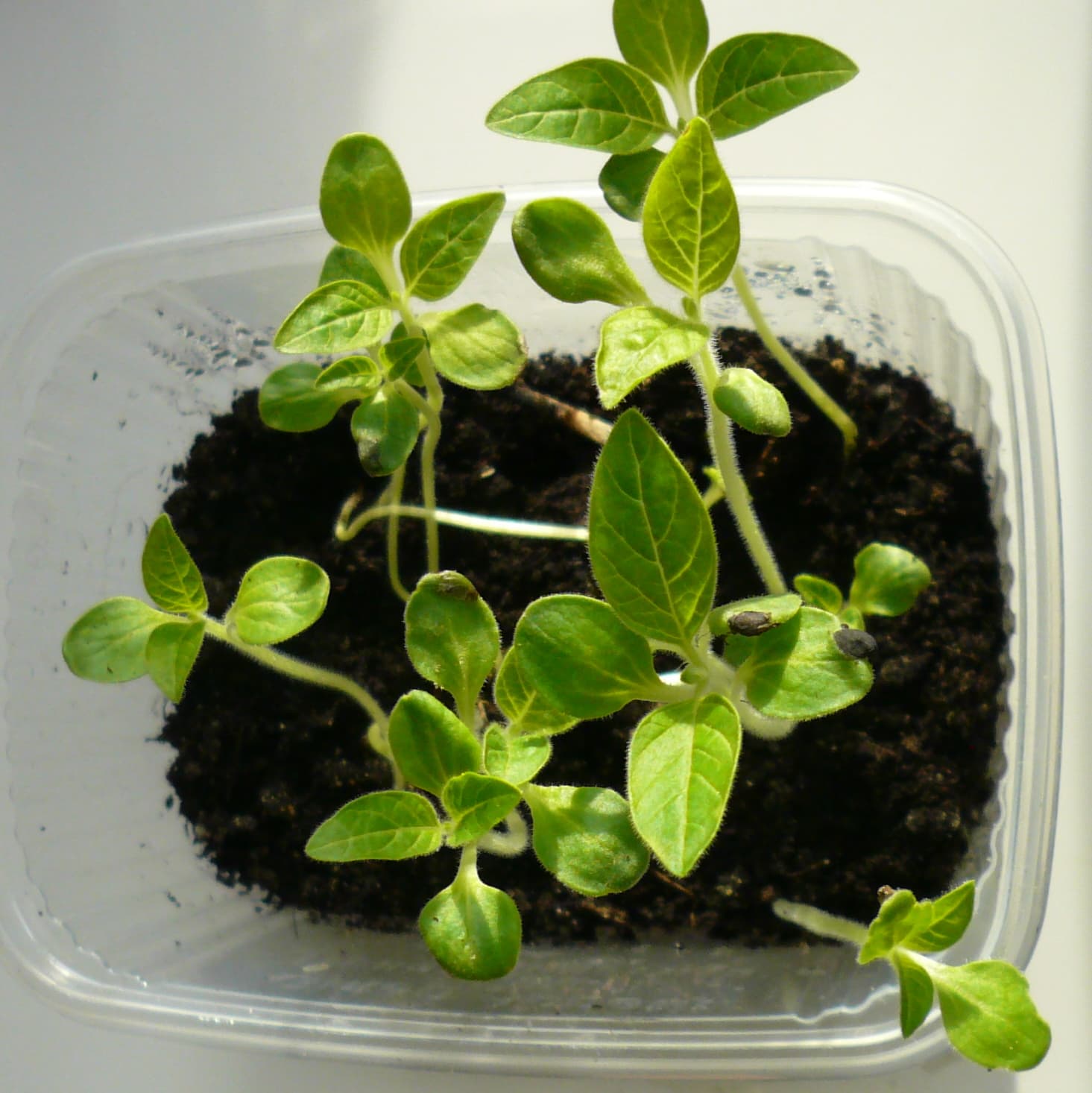
Leafy greens are the easiest and most productive plants for aquaponics, thriving on moderate nutrients and growing rapidly in most system types. Fruiting crops like tomatoes and peppers can be grown but require established, high-density fish systems. Avoid root crops, nitrogen-hungry corn, and most fruiting trees.
Why do leafy greens grow best in aquaponics?
Aquaponics naturally produces a nutrient profile dominated by nitrogen — specifically nitrate — because that is the end product of fish waste processing. Leafy greens are the category of plants most adapted to nitrogen-rich conditions: nitrogen drives vigorous leaf and stem growth, which is exactly what you want to harvest.
The match between aquaponics' nutrient output and leafy greens' needs is nearly perfect. Lettuce, spinach, kale, silverbeet, arugula, and chard grow quickly, require no fruit set, and can be harvested in as little as 4–6 weeks from transplant. Their relatively shallow root systems suit media beds and raft systems equally well.
Best leafy greens for aquaponics:
| Plant | Harvest Time | System Type | Notes |
|---|---|---|---|
| Lettuce (butterhead, romaine, loose-leaf) | 4–6 weeks | Any | Most popular; grow multiple varieties |
| Spinach | 4–6 weeks | Any | Prefers slightly cooler water (18–22°C) |
| Kale | 5–8 weeks | Media bed, raft | Cut-and-come-again harvesting; very productive |
| Silverbeet / Swiss chard | 5–7 weeks | Any | Heat tolerant; long harvest window |
| Arugula | 3–4 weeks | Any | Fastest to harvest; peppery flavour |
| Asian greens (pak choi, tatsoi) | 4–6 weeks | Any | Excellent in warm systems with tilapia |
Harvest strategy for leafy greens: Use cut-and-come-again harvesting — remove outer leaves as they mature while leaving the central growing point intact. This extends each plant's productive life 2–3 times compared to cutting the entire head at once.
Which herbs grow well in aquaponics?
Herbs are among the highest-value crops you can grow in an aquaponics system. They grow well, require modest nutrients, and can command premium prices at farmers' markets or direct to restaurants.
Top aquaponics herbs:
Basil is arguably the ideal aquaponics herb. It grows vigorously in warm systems (25–30°C — the same temperature tilapia prefer), produces abundantly, and is among the highest-value herbs per kilogram. Regular harvest (pinching flower heads and harvesting top leaves) keeps plants productive for months.
Mint and other spreading mints (spearmint, peppermint, lemon balm) are nearly indestructible in aquaponics. They do produce runners that can colonize neighbouring net cups, so plant them in their own designated section.
Chives and green onions are productive and low-maintenance. They do not require as warm conditions as basil and grow steadily at 18–25°C.
Parsley grows well but slowly. Expect 8–10 weeks to a full harvest. Worth growing for its commercial value.
Cilantro is productive but bolts (goes to seed) quickly in warm systems. Best grown in cooler conditions (18–22°C) or replaced every 3–4 weeks for continuous supply.
Herbs that struggle in aquaponics: Rosemary, thyme, and sage prefer dry, well-drained, nutrient-poor conditions — the opposite of aquaponics. They can be grown in elevated wicking towers above the system, but they rarely thrive as well as they do in soil or dry hydroponics.
Can you grow fruiting crops in aquaponics?
Yes, but fruiting crops are significantly more demanding than leafy greens. They require more nutrients, more light, more physical support, and a more mature, heavily stocked fish system.
What fruiting crops need that leafy greens do not:
- Higher phosphorus and potassium levels (for flower and fruit development) — these accumulate more slowly in aquaponics than nitrogen
- Higher light levels — tomatoes and peppers need 12–16 hours of strong light, which means supplemental LED lighting in most indoor systems
- Physical support — indeterminate tomatoes can reach 2 metres and need trellising
- A well-established system — ideally 6+ months old with a mature biofilter and stable chemistry
Fruiting crops ranked by aquaponics difficulty:
| Crop | Difficulty | Notes |
|---|---|---|
| Cherry tomatoes | Medium | Smaller fruit, lower nutrient demand; best starter fruiting crop |
| Cucumbers | Medium | Fast growing; train vertically |
| Dwarf peppers | Medium-hard | Slow to flower; need high light |
| Full-size tomatoes | Hard | Nutrient intensive; needs high fish density |
| Strawberries | Medium | Good in tower systems; prefer 18–22°C |
| Beans | Easy | Bush beans work well; nitrogen-fixing roots can interfere |
| Melons/squash | Very hard | High space and nutrient demands; impractical for most systems |
What plants should you avoid in aquaponics?
Not every plant is suitable for aquaponics, either because of biological incompatibility or practical constraints.
Root vegetables (carrots, radishes, beets, potatoes): These require growing medium depth and loose structure around the developing root that aquaponics media beds cannot provide. Radishes can be grown with modest success in very deep (45+ cm) media beds, but yields are typically poor compared to soil.
Blueberries and acid-loving plants: These prefer pH 4.5–5.5 — far below the aquaponics operating range of 6.8–7.2. Forcing pH this low would kill your bacteria. Blueberries cannot be grown in a standard aquaponics system.
Corn: Extremely nitrogen-hungry, grows very tall, and produces poor returns per square metre in any indoor or controlled environment. Not worth the infrastructure required.
Large trees and perennial woody plants: Technically possible with deep media beds, but the root competition, long establishment time, and physical scale make them impractical for most growers.
Nitrogen-fixing plants (certain legumes at scale): Beans can interfere with your nitrogen cycle by fixing atmospheric nitrogen in root nodules, which can confuse your nutrient balance if grown in large quantities. Small amounts are fine.
The basic rule: If a plant grows well in nutrient-rich, moist, slightly acidic conditions with good drainage and adequate oxygen at roots — it will likely thrive in aquaponics. If it prefers dry, nutrient-poor, or very acidic conditions — it probably will not.