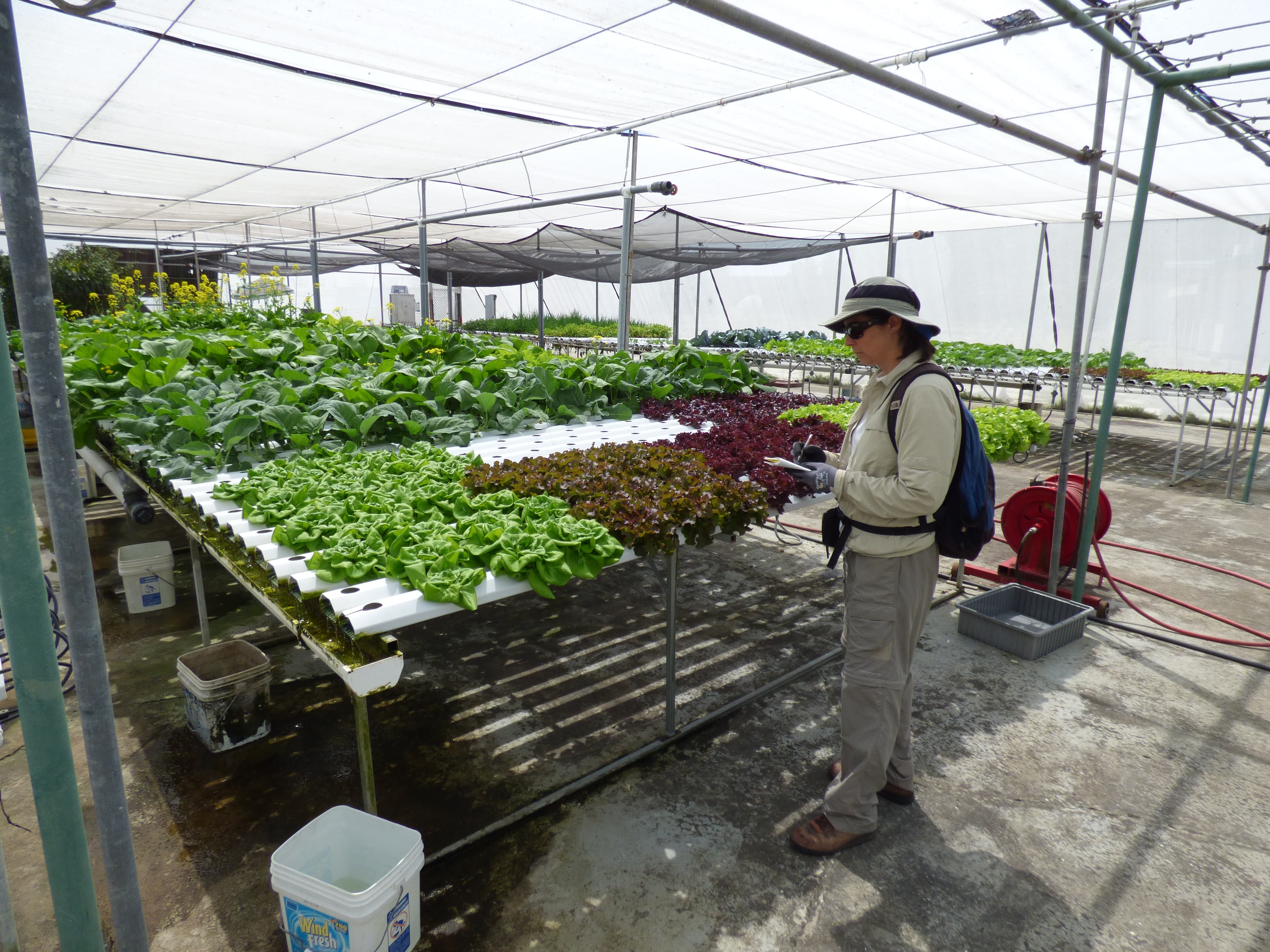
The five easiest plants for beginner urban farmers are lettuce, basil, mint, radishes, spring onions, and cherry tomatoes. All germinate reliably, tolerate minor mistakes, and produce harvests within 20–70 days.
Which Plant Should You Grow Absolutely First?
If you are choosing only one plant to start with, choose lettuce. It germinates in 2–4 days, tolerates lower light levels than most food crops, grows in a small Kratky jar or a repurposed bottle, and is ready to harvest by the cut-and-come-again method in 25–35 days. You can harvest outer leaves while the plant continues producing for several more weeks.
Lettuce also provides immediate feedback: if it wilts, you know it needs water. If it turns yellow, you know it needs nutrients. This makes it the ideal learning plant before you move on to anything more demanding.
| Plant | Days to First Harvest | Min. Light (hours/day) | Space Needed | Difficulty |
|---|---|---|---|---|
| Lettuce | 25–35 | 4 | 1L jar / small pot | Very Easy |
| Basil | 30–45 | 6 | 500ml+ jar / small pot | Easy |
| Mint | 20–30 (cuttings) | 4 | Any container | Very Easy |
| Radishes | 20–30 | 4–6 | 15cm deep pot | Easy |
| Spring Onions | 25–30 | 4 | Any container | Very Easy |
| Cherry Tomatoes | 55–70 | 8+ | 5L+ container | Moderate |
How Do You Grow Lettuce Hydroponically?
Lettuce is the classic hydroponic beginner crop for good reason. The Kratky jar method (covered in the budget guide) is ideally suited to it. Key care notes:
- Nutrient solution EC: 0.8–1.6 mS/cm. At lower EC it grows slower but sweeter; higher EC accelerates growth but can cause tip burn.
- Temperature: 15–22°C is ideal. Above 28°C lettuce bolts (goes to seed) and turns bitter. In hot climates, grow lettuce during cooler months or in an air-conditioned space.
- Harvesting: Begin harvesting outer leaves once the plant has 6–8 leaves. Do not take more than one-third of the plant at a time. A single plant can yield harvests every 7–10 days for 6–8 weeks before it bolts.
- Varieties for beginners: Butterhead, oak leaf, and loose-leaf types are more forgiving than crisphead (iceberg) varieties.
What is the Difference Between Growing Basil and Mint?
Both are herbs, but they have meaningfully different requirements and growth strategies.
Basil is grown from seed and prefers warmth (above 18°C). It needs at least 6 hours of direct sunlight or supplemental lighting to produce fragrant, bushy growth. Pinch off flower buds as soon as they appear — once basil flowers, the leaves lose much of their flavour. Basil in a 500ml Kratky jar will produce harvestable leaves in about 30–35 days. Varieties to try first: Genovese (classic pesto basil) and Thai basil (more heat-tolerant).
Mint is almost impossible to kill. It propagates easily from cuttings — snip a 10cm stem from any mint plant, remove the lower leaves, and place it in a glass of water. Roots appear in 5–10 days. Transplant to soil or a coir/perlite mix and it establishes within days. Mint spreads aggressively in soil so container growing is actually ideal. It tolerates partial shade better than most herbs. Varieties: spearmint (cooking), peppermint (teas), chocolate mint (novelty).
How Fast Do Radishes and Spring Onions Grow?
These two vegetables are the fastest-producing crops in an urban farm and are excellent for maintaining your motivation as a beginner.
Radishes are ready to harvest in 20–30 days from seed. They need a container at least 15cm deep for the roots to develop properly. Sow seeds 3cm apart in a tray or pot filled with lightweight potting mix. Thin seedlings to 5–7cm apart after germination. Radishes do not transplant well, so sow directly where they will grow. Cherry Belle and French Breakfast are reliable, fast varieties.
Spring onions (scallions) can be grown from seed in 25–30 days, but the fastest method is regrowing from kitchen scraps. Place the root end of a store-bought spring onion (the white part with roots still attached) in a glass of water on your windowsill. New green shoots emerge within 3–5 days. Transfer to soil or a jar of nutrient solution for sustained regrowth. One bunch of spring onions can be regrown 3–4 times before the quality diminishes.
Are Cherry Tomatoes Suitable for Complete Beginners?
Cherry tomatoes are rated "moderate" rather than "easy" because they require more light, more space, and more attention than the other four plants on this list. However, they are deeply rewarding and worth attempting after your first few successful herb and lettuce grows.
Key requirements:
- Light: 8+ hours of direct sun or a full-spectrum 30W+ LED grow light. This is the most common failure point — insufficient light causes leggy, unproductive plants.
- Container size: Minimum 5 litres for a healthy plant; 10–15 litres is better. In hydroponic setups, a 5-gallon bucket DWC (deep water culture) system works well.
- Support: Stake or trellis the plant once it reaches 30cm tall. Indeterminate varieties (most cherry tomatoes) will grow 1–2 metres tall.
- Pollination: Outdoors, wind and insects handle pollination. Indoors, gently shake the flowering branches daily or use an electric toothbrush on the flower stems to simulate vibration.
- Days to harvest: 55–70 days from transplant to first ripe fruit. You will need patience, but the yield — 100–300 fruits per plant per season — makes it worthwhile.
Recommended beginner varieties: Tumbling Tom (compact, good for hanging baskets), Sun Gold (disease-resistant, extremely sweet), Sweet Million (prolific, reliable).