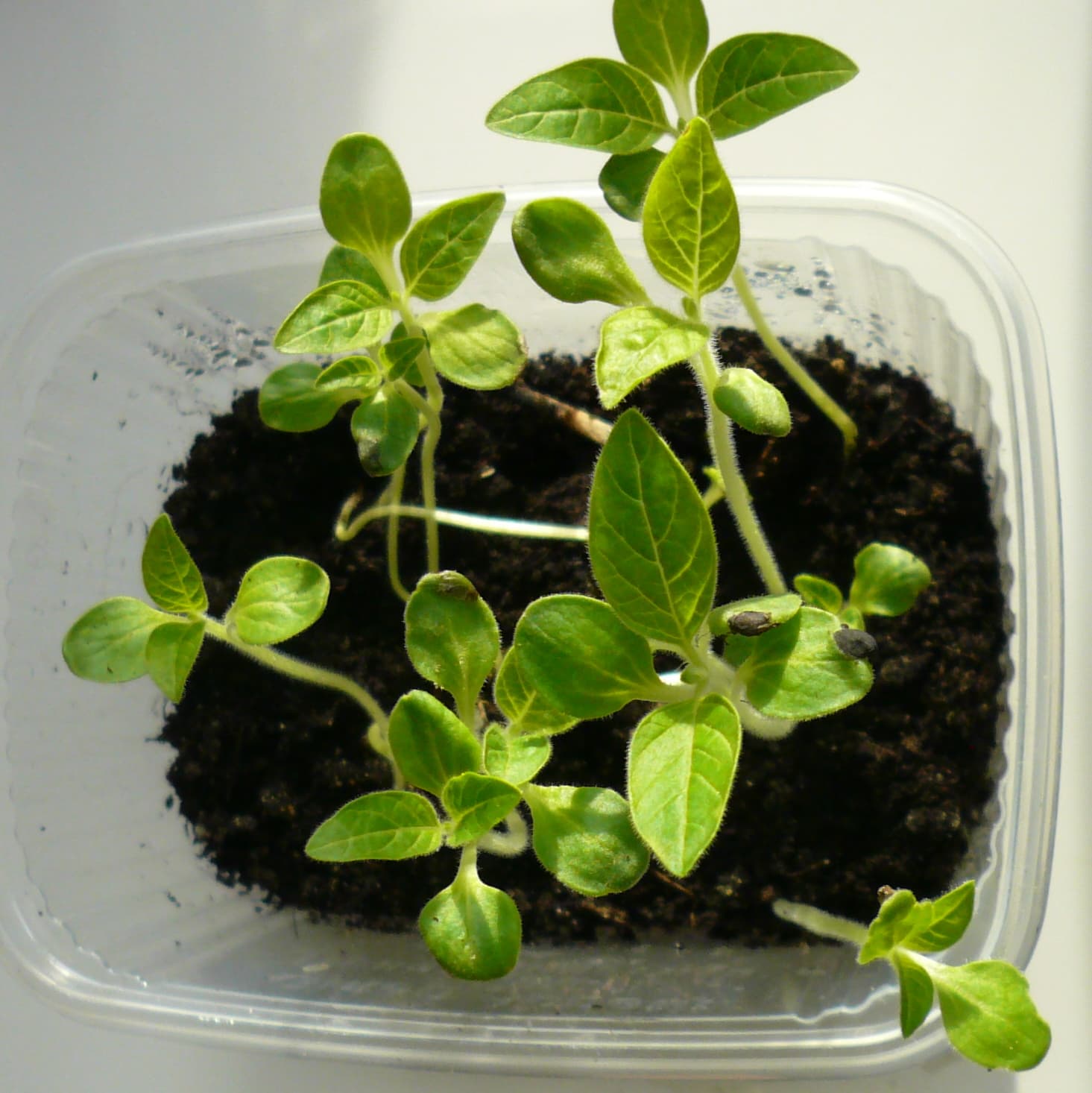
Hydroponic kale produces harvestable leaves at 25–30 days as baby greens and continues producing for 60–90 days with outer-leaf harvesting. Cool temperatures (15–21°C) intensify its flavor and nutritional density — making it uniquely suited to lower-temperature growing environments where other crops struggle.
Which kale variety should you grow hydroponically?
Kale (Brassica oleracea var. sabellica) encompasses several distinct cultivar groups with meaningfully different growth rates, flavors, and hydroponic performance.
| Variety | Also Known As | Days to Baby Leaf | Days to Full Size | Growth Habit | Best For |
|---|---|---|---|---|---|
| Lacinato | Dinosaur, Tuscan, Cavolo Nero | 25–30 | 55–70 | Upright, narrow | Cut-and-come-again, cooking |
| Red Russian | — | 20–25 | 45–55 | Spreading, serrated | Salad mix, fastest harvest |
| Curly (Green/Blue) | Scots kale | 30–35 | 60–75 | Dense, frilled | Cooking, juicing |
| Redbor | — | 30–35 | 65–80 | Upright, deep red | Visual appeal, similar nutrition |
Red Russian is the beginner recommendation: it germinates fastest, tolerates EC variation, and produces tender, mild leaves well-suited to salads. Lacinato is preferred for cooking — its flat leaf wilts evenly and holds flavor under heat. Curly kale has the highest leaf surface area per plant but is slowest.
How do you sow kale for a soilless system?
Kale seed is larger than lettuce (approximately 250 seeds per gram) and germinates reliably across a wide temperature range.
- Pre-soak rockwool cubes in pH 5.8–6.2 water for 20–30 minutes.
- Sow 2 seeds per cube at 5mm depth. Kale seed is sturdy — it does not need the shallow planting lettuce requires.
- Germination temperature: 18–22°C optimal. Unlike lettuce, kale does not experience thermodormancy — it will germinate at temperatures from 10–30°C, though below 12°C germination slows significantly.
- Germination timeline: 4–7 days at optimal temperature. Kale is slightly slower than lettuce but more reliable across temperature ranges.
- Initial EC: 0.6–0.8 mS/cm for seedlings. Kale seedlings are somewhat tolerant of higher EC than lettuce, but starting low prevents early-stage osmotic stress.
- Thin to one seedling at day 7–10. Kale seedlings are robust — remove the weaker seedling by cutting, not pulling.
How do you nurture kale from seedling to vegetative growth?
The seedling phase (days 7–18) requires minimal intervention. Transplant when the first true leaf is fully expanded and roots are visible at the base of the cube — typically day 14–18.
Post-transplant nutrition:
- EC: 1.2–2.0 mS/cm. Kale tolerates moderate EC well. Higher EC (toward 2.0) increases leaf thickness and reduces water content — producing a denser, more flavourful leaf. Lower EC produces faster, more tender growth suited to baby leaf harvesting.
- pH: 5.8–6.5. Kale has slightly broader pH tolerance than lettuce.
- Temperature: 15–21°C for optimal growth. This is the defining characteristic of kale cultivation — it is a cool-season brassica. At temperatures above 24°C, growth accelerates but nutritional density declines and leaf quality degrades.
The cool treatment effect: Exposure to temperatures of 10–15°C for several days activates sugar accumulation in kale leaves. The plant converts starches to sugars as a cold-protection mechanism, which is the reason frost-kissed field kale is sweeter and more flavourful than summer-harvested kale. In hydroponics, lowering reservoir and air temperature during the final 5–7 days before harvest replicates this effect. Even dropping to 15°C from a normal 20°C regime produces a measurable flavor improvement.
How do you care for kale during its main growth phase?
System compatibility: Kale performs well in DWC, NFT, and Kratky systems. Its moderate water and nutrient demands make it suitable for passive Kratky setups, though DWC produces faster growth.
Outer leaf harvesting for continuous production: Remove the largest, outermost leaves first — these are the oldest and will yellow if left too long. Always leave the growing tip and inner crown intact. The plant regenerates from the centre continuously. A single kale plant can be harvested every 10–14 days for 8–12 weeks before productivity declines.
Aphid monitoring: Kale is the most aphid-attractive brassica in indoor environments. Check the undersides of leaves weekly — particularly new growth. Early-stage infestations appear as pale green or grey clusters. Treat with insecticidal soap spray (dilute: 5ml soap per litre of water) applied to leaf undersides. Remove heavily affected leaves immediately. Aphids multiply rapidly — weekly monitoring prevents infestations from becoming unmanageable.
Bolting: Kale is a biennial — it requires two cold winters before flowering. It will not bolt in a single indoor growing cycle under any realistic conditions. This distinguishes it favorably from lettuce, spinach, and basil.
When and how do you harvest kale?
Kale offers two distinct harvest strategies depending on whether you want baby greens or mature leaves:
Baby kale (25–30 days): Harvest entire young plants, or cut all leaves 2–3cm above the root crown. Baby kale is tender, mild, and well-suited to raw salads. Younger plants have a higher leaf-to-stem ratio.
Mature outer-leaf harvest (50–65 days and ongoing): Remove leaves from the outside of the plant, working inward. Mature kale has more pronounced glucosinolate flavor — some find it bitter raw; mild cooking transforms it. Harvest in the morning when sugar content is highest.
Post-harvest storage: kale lasts 5–7 days refrigerated in a damp cloth or bag. Unlike lettuce, it does not wilt easily and tolerates some cold storage pressure.
What is kale's nutritional profile in hydroponic production?
Kale is among the most nutrient-dense plants per calorie of any commonly grown crop.
| Nutrient | Per 100g Raw | % Daily Value | Notes |
|---|---|---|---|
| Vitamin K | 817 µg | 681% | Highest of any common vegetable; significant cardiovascular role |
| Vitamin A (β-carotene) | 500 µg RAE | 56% | Higher in Lacinato and Redbor than in Red Russian |
| Vitamin C | 120 mg | 133% | Degrades rapidly post-harvest — home-grown advantage is significant |
| Calcium | 150 mg | 12% | Present at meaningful levels; bioavailability ~50% (oxalate interaction) |
| Glucosinolates | 100–150 mg | — | Cancer-preventive precursors; highest in young leaves |
| Iron | 1.5 mg | 8% | Non-haem; absorption improved by vitamin C (present in the same leaf) |
Soilless vs soil comparison: Hydroponic kale grown under LED lighting shows comparable or slightly higher vitamin C levels compared to soil-grown kale, primarily due to controlled light schedules optimizing photosynthetic output. The cool-treatment effect on glucosinolate concentration is independent of growing medium — it is temperature-driven in both systems.