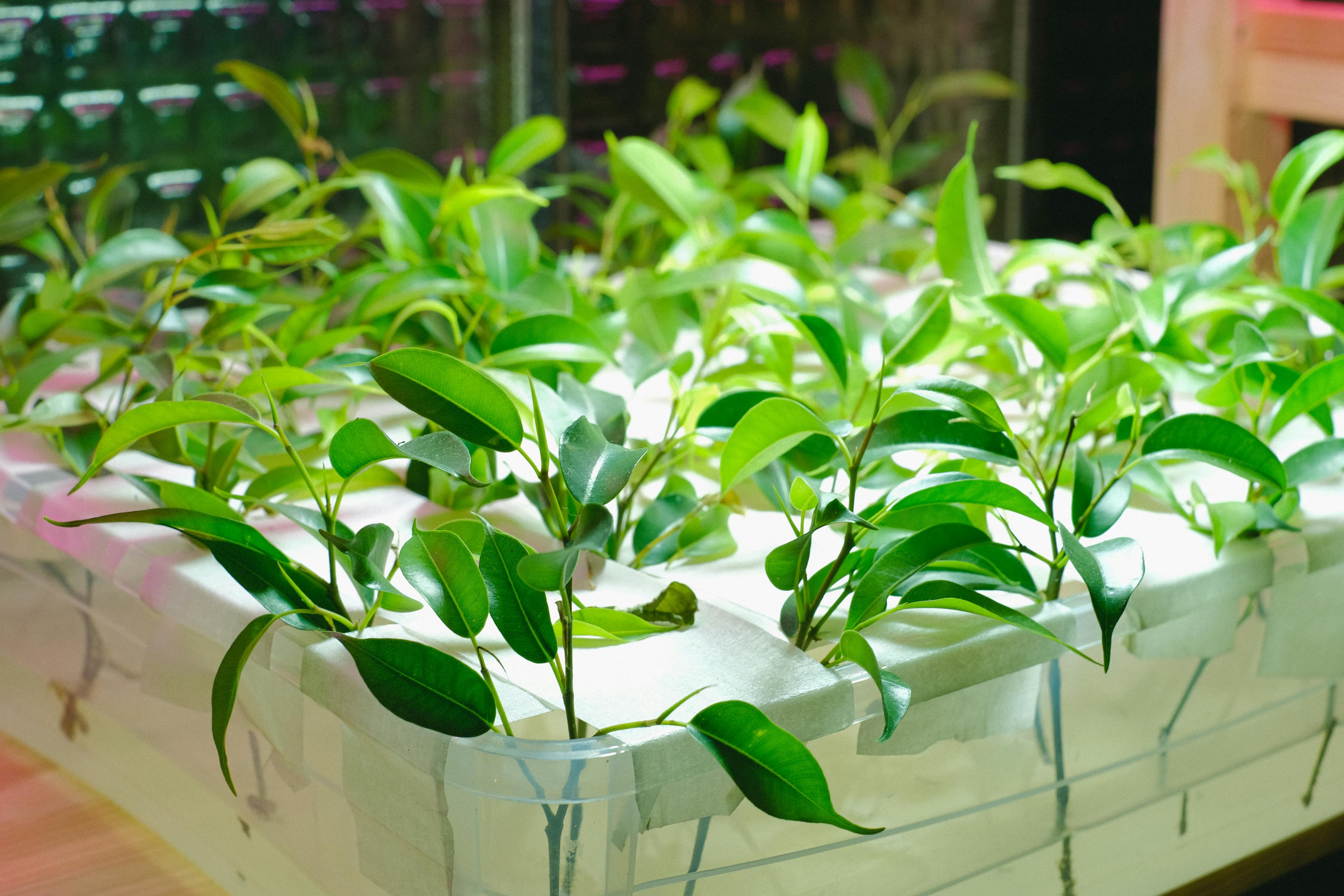
Lettuce, leafy herbs, spinach, and strawberries thrive in aeroponic systems due to their shallow root systems and fast growth cycles, while tomatoes, peppers, and cucumbers can succeed with the right support structures — deep-rooted crops like carrots and potatoes are poor candidates.
Which Crops Grow Best in Aeroponic Systems?
Aeroponics excels at growing plants whose roots develop rapidly in a well-oxygenated environment. The best candidates share a few traits: they tolerate air-exposed roots, respond quickly to consistent nutrient delivery, and produce harvestable output within a cycle time that suits the system's continuous misting schedule.
Lettuce and Leafy Greens
Lettuce is the gold standard aeroponic crop. Varieties like butterhead, romaine, and loose-leaf lettuce germinate in 3–5 days, transplant well at the seedling stage, and reach harvest size in 28–40 days from transplant — significantly faster than soil-grown equivalents. The fibrous, shallow root system fills a net cup perfectly and thrives on the constant oxygenation that aeroponic misting provides.
Top performers:
- Butterhead and Bibb lettuce
- Romaine (taller tower needed)
- Arugula
- Spinach
- Kale and Swiss chard
- Mizuna and mustard greens
These crops can be harvested using cut-and-come-again technique: remove outer leaves every 1–2 weeks and the plant continues producing for months.
Culinary Herbs
Herbs are among the highest-value aeroponic crops per square foot. Their essential oil concentration — which drives flavor and aroma — is often higher in aeroponically grown specimens than soil-grown equivalents, likely due to the precise nutrient control possible in a closed system.
High performers:
- Basil (sweet, Thai, purple)
- Cilantro
- Parsley
- Mint (keep isolated — it spreads aggressively)
- Chives
- Dill
Note on woody herbs: Rosemary, thyme, and oregano grow more slowly and prefer slightly drier root zone conditions than most aeroponic systems provide. They will grow, but less prolifically than soft-stemmed herbs.
Strawberries
Strawberries are a natural fit for tower-format aeroponic systems. Their runner habit and pendant fruit clusters hang attractively from tower port holes, and the aeroponic root zone matches their preference for moist but well-drained conditions. Day-neutral varieties (Albion, Seascape) are preferred over June-bearing varieties because they produce fruit continuously rather than in a single flush.
Strawberries take 60–90 days from transplant to first significant harvest, but established aeroponic strawberry plants produce for 12–18 months before vigor declines.
Can You Grow Tomatoes and Peppers Aeroponically?
Yes — with caveats. Tomatoes and peppers are commonly grown in aeroponic systems, particularly in commercial vertical farming. The main challenges for home growers are:
Support: Indeterminate tomato varieties (most common) grow 4–8 feet tall and produce heavy fruit clusters. Aeroponic net cups do not provide structural support for the plant above ground. A trellis, cage, or twine system secured to the tower frame is required.
Root mass: Tomatoes develop substantial root systems. In a tower with limited interior volume, roots from adjacent plants may compete and restrict airflow and mist distribution. Space tomato sites at least 12 inches apart.
Best varieties:
- Cherry tomatoes (Sungold, Sweet Million) — compact habit, high yield
- Determinate (bush) tomatoes for containers
- Mini peppers (easier than full-size bell peppers)
- Small-fruited chili varieties
| Crop | Days to First Harvest | Net Cup Size | Spacing |
|---|---|---|---|
| Cherry tomatoes | 60–75 from transplant | 3-inch minimum | 12 inches |
| Sweet peppers | 70–90 from transplant | 3-inch minimum | 10–12 inches |
| Standard lettuce | 28–40 from transplant | 2-inch | 6 inches |
| Basil | 25–35 from transplant | 2-inch | 6 inches |
| Strawberry | 60–90 to first harvest | 2–3 inch | 8 inches |
What Plants Do Not Work Well in Aeroponics?
Some plant categories perform poorly or are impractical in aeroponic towers:
Root vegetables: Carrots, beets, turnips, and radishes need a soil medium to form their edible storage roots. Aeroponic systems expose roots to air — ideal for fibrous root systems but incompatible with the subterranean bulb and tuber formation that makes these crops useful.
Grain crops: Wheat, corn, and rice require field-scale root systems and are grown most economically at ground level. There is no agronomic or economic case for aeroponic grain production at the home scale.
Large brassicas: Full-size broccoli, cauliflower, and cabbage can be started aeroponically but require significant space, develop heavy heads that towers cannot support, and have long crop cycles (70–120 days) that tie up tower real estate inefficiently. Baby broccoli and broccoli rabe are better options.
Vining squash and melons: Zucchini, cucumber, and melon plants generate enormous foliage and fruit weight. While cucumbers have been grown commercially in aeroponic greenhouses, they require dedicated trellising infrastructure and represent high management complexity for a home tower system. Stick to leafy crops unless specifically designing a system for heavy fruiting plants.
Trees and large perennials: Fruit trees, blueberry bushes, and other perennials with deep tap roots cannot be accommodated in a standard aeroponic tower.